Influenced by the trumpet works of Arban, Clarke,
Hindemith, Arutunian, Hummel, Haydn and the more modern sonatas by Kent Kennan and Halsey Stevens, this piece
by Sean O’Loughlin is lush and lyrical, while other moments showcase the power and majesty of the trumpet
sound, lending it an almost fanfare-like, ceremonial air. The music is even a touch athletic while having a
musical conversation with the piano. Written sensitively for the trumpet, this is an approachable challenge
for the intermediate level player.
Beloved for his beautifully melodic vocal music and gratifying instrumental works, Adolphus
Hailstork combines both gifts in the gracefully contemplative MEDITATION for Horn and Piano. With its
processional-like accompaniment and broad solo part, the work is well-suited for recitals, ceremonies, services,
and other occasions.
William Tell Overture, for 6 Trumpets
Gioacchino Rossini (arr. Cathy Leach)
Balquhidder Music
Solo Trumpet in Eb, Trumpet in Bb, Trumpet in Bb, Trumpet in Bb, Trumpet in Bb, Trumpet in Bb
The famous overture from William Tell, masterfully arranged by Cathy Leach for solo Eb
trumpet and five Bb trumpets. Acoustical spontaneous combustion!
TWO LATIN DANCES is a beautifully evocative and sizzling
work based on Bossa Nova and Tango rhythms, now available in a new arrangement for trumpet and piano by the
composer. While at first sounding as two distinct movements, the characteristic dances gradually intertwine to
create a uniquely integrated and ever-building whole.
Celebrated trombonist Natalie Mannix commissioned the original work for
trombone and piano, and introduced TWO LATIN DANCES at the 2016 International Trombone Festival. Mannix has
recorded the work on her CD Breaking Ground: A Celebration of Women Composers. For advanced performers.
Composed for virtuoso trombone soloist Yu Tamaki Hoso,
Samuel Adler’s TWO SIDES OF A COIN is reminiscent of an introduction and allegro, balancing substantive
musicality with dazzling technical feats. The first section (Slowly) explores the lyrical power of the
trombone, showcasing its full range in emotionally charged dialogue with the piano. The second (Fast and
rhythmic) is inventive and surprising, dancing effortlessly between intensity and levity, all requiring
thrilling agility from the soloist.
Strings
Mario Castelnuovo-Tedesco: Three Arrangements for Violin and Piano
Maurice Ravel, Gioachino Rossini (arr. Mario Castelnuovo-Tedesco)
These arrangements by Mario Castelnuovo-Tedesco are
well-known and beloved showpieces for the advanced violinist. Jeux
d’eau is alternately delicate and torrential, a textural
exploration of water, with all the harmonic lushness and beauty one expects from Ravel, while the arrangements
of Figaro andRosina from "The Barber of Seville put fresh and fun
harmonic twists on arguably some of the most commonly known and loved opera tunes of all time. With these
familiar dashing and virtuosic tunes and many show-stopping moments of virtuosity, these arrangements will
undoubtedly be a favorite of audiences and violinists alike.
Carl Flesch: Six Arrangements of Vocal Works of George Frideric Handel
These six Handel arrangements are sensitively and
idiomatically written for the violin by Carl Flesch, the twentieth century pedagogue and performer behind the
classic string method The Scale System. Featuring selections from Handel’s beloved operas and
oratorios like Solomon, Messiah, Joshua, Te Deum, and others, Flesch
retains all the lyricism and sparkle of the original material, while making ample use of charms unique to the
violin like double stops and open string grace notes. With remarkable fingering and string choices, the
arrangements in this book will make for excellent and instructive recital repertoire for the intermediate
advanced violinist.
Stately yet folklike, CEREMONIAL is a graceful 4-minute work in comfortable reach of
intermediate students, and equally attractive for advanced and professional violists to exercise their
cantabile. The slow-fast-slow form offers a cheerful dance in 3 that interrupts and recedes from a
mostly-pentatonic and memorable tune.
Chen Yi describes the cheery interplay of HAPPY TUNE as: “When one instrument plays a
lively melody, the other plays a vivid rhythmic pattern in the accompaniment. The pair of string instruments
imitates the sound of primitive Chinese folk song singing, as well as the Chinese traditional wind instrument
sheng, a mouth pipe organ.” This arrangement by the composer adapts the earlier version for violin and viola
written as a celebration piece honoring the 25th anniversary of the Great Lakes Chamber Music Festival.
THE SOLITUDE OF STARS is a 5-minute work for solo harp. It depicts the composer’s awe at
experiencing a nighttime view of the starry heavens, shining brightly over the vast expanse of the Wyoming
prairie. The slow passage of time is evoked by slowly rocking eighth-notes, creating a gentle texture. THE
SOLITUDE OF STARS is a powerful depiction of celestial beauty, technically within the reach of
intermediate-level performers.
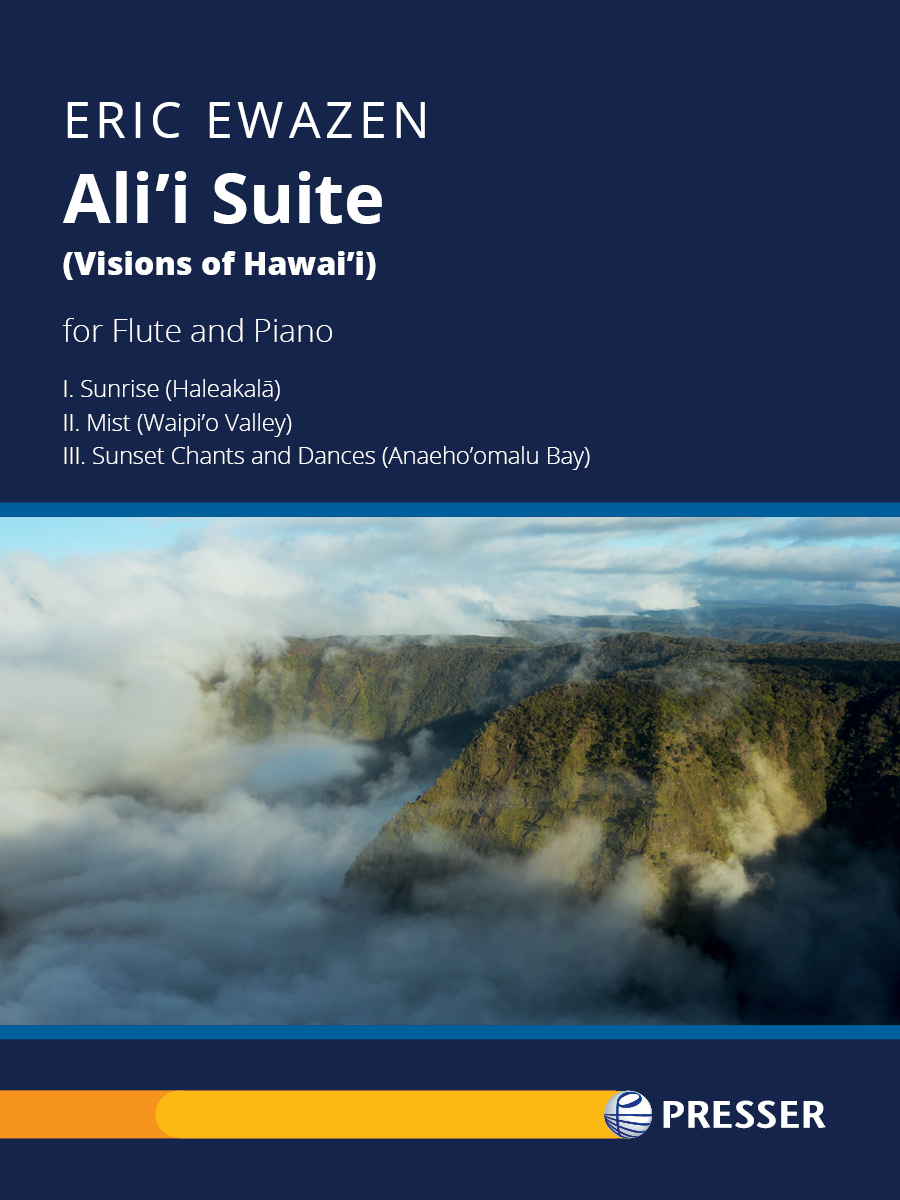
The subtitle (Visions of Hawai’i) explains the beauty of Ewazen’s ALI’I SUITE, a
fascinating hybrid between the composer’s luscious melodic voice and Hawai’ian music traditions. The three
movements are inspired by sunrise, a misty valley, and a celebration of sunset.
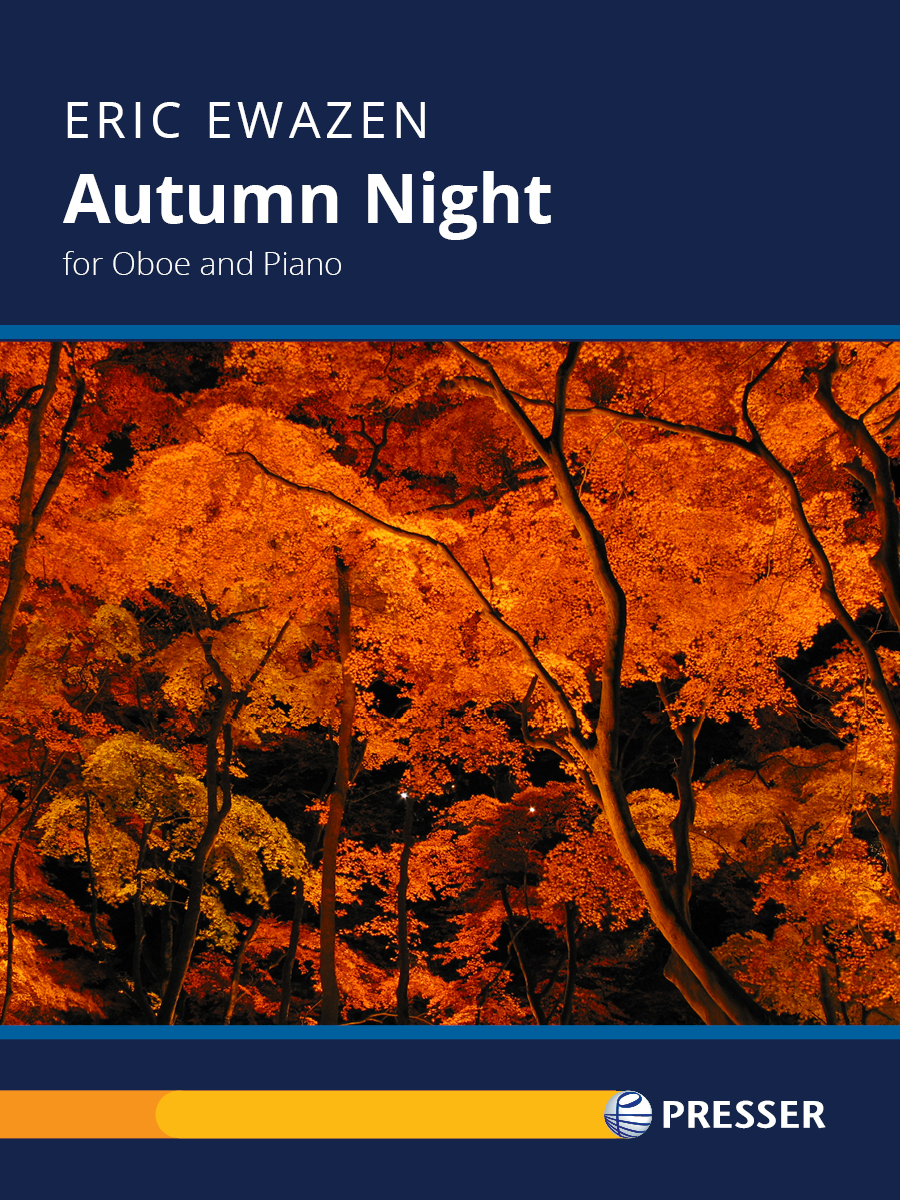
Perfect for Fall recitals, seasonal theme programming, and all-year round, AUTUMN NIGHT
evokes the heartfelt crispness and warmth of the title’s image. The plaintive oboe part is lyrical and spiced
with ornamentation, set against a softly flowing harp-like accompaniment. Ideal for students as well as
professionals.
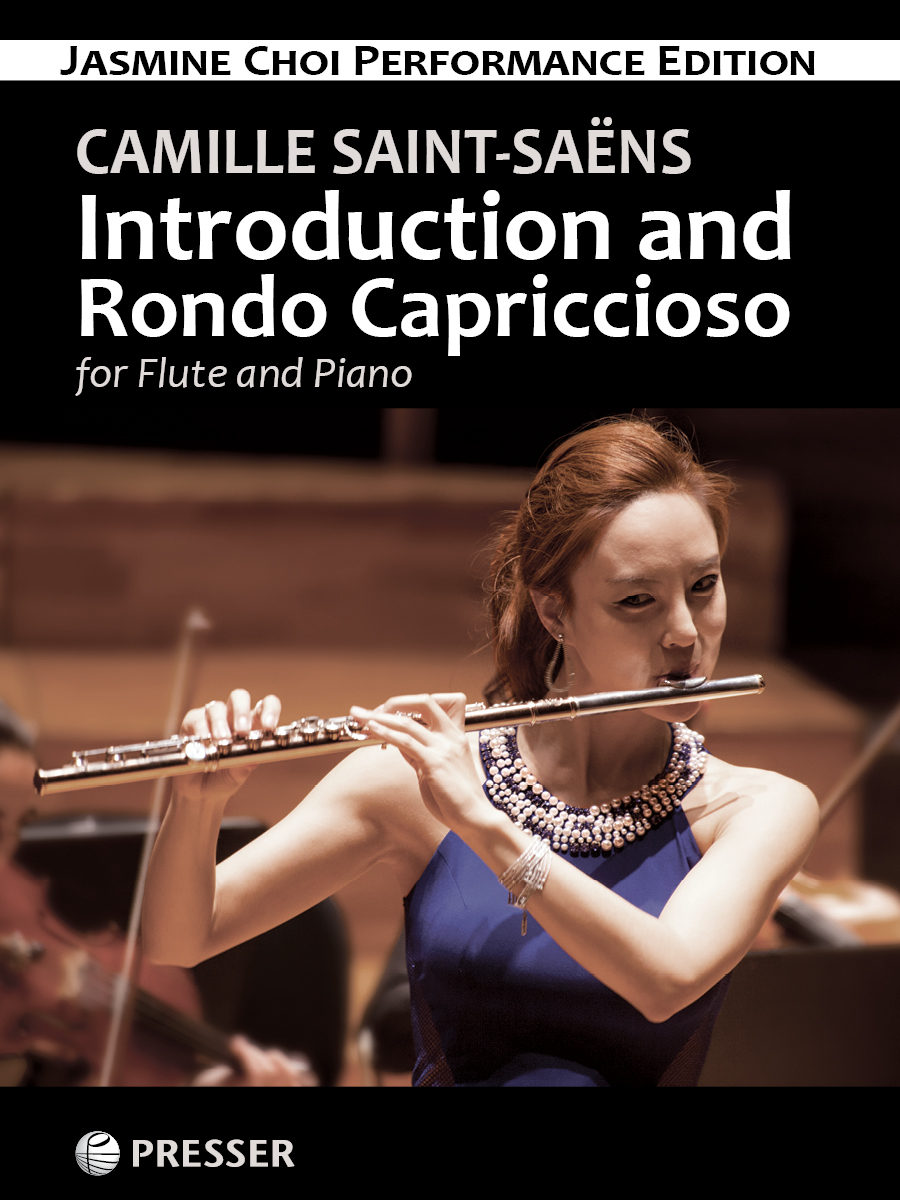
Of all the solo and concertante works in the violin repertoire, few are as beloved by
musicians as Saint-Saëns’ INTRODUCTION AND RONDO CAPRICCIOSO; even as a young student, Jasmine Choi dreamed of
performing the work on flute. Today she has performed her transcription with numerous orchestras and pianists
around the world, delighted countless YouTube fans, and now you can play her edition. The newly engraved solo
part and piano accompaniment are fully compatible with the standard parts as well, and this transcription can be
used in orchestral solo appearances. A recording of INTRODUCTION AND RONDO CAPRICCIOSO can be found at
https://youtu.be/caorW4qBzJc .
Charming and lyrical, LITTLE SURPRISES is a suite of single-page preludes for piccolo
alone, each bearing its own twists and turns. Each movement, or the complete collection, is ideal for recitals
and competitions, for students and professionals alike.
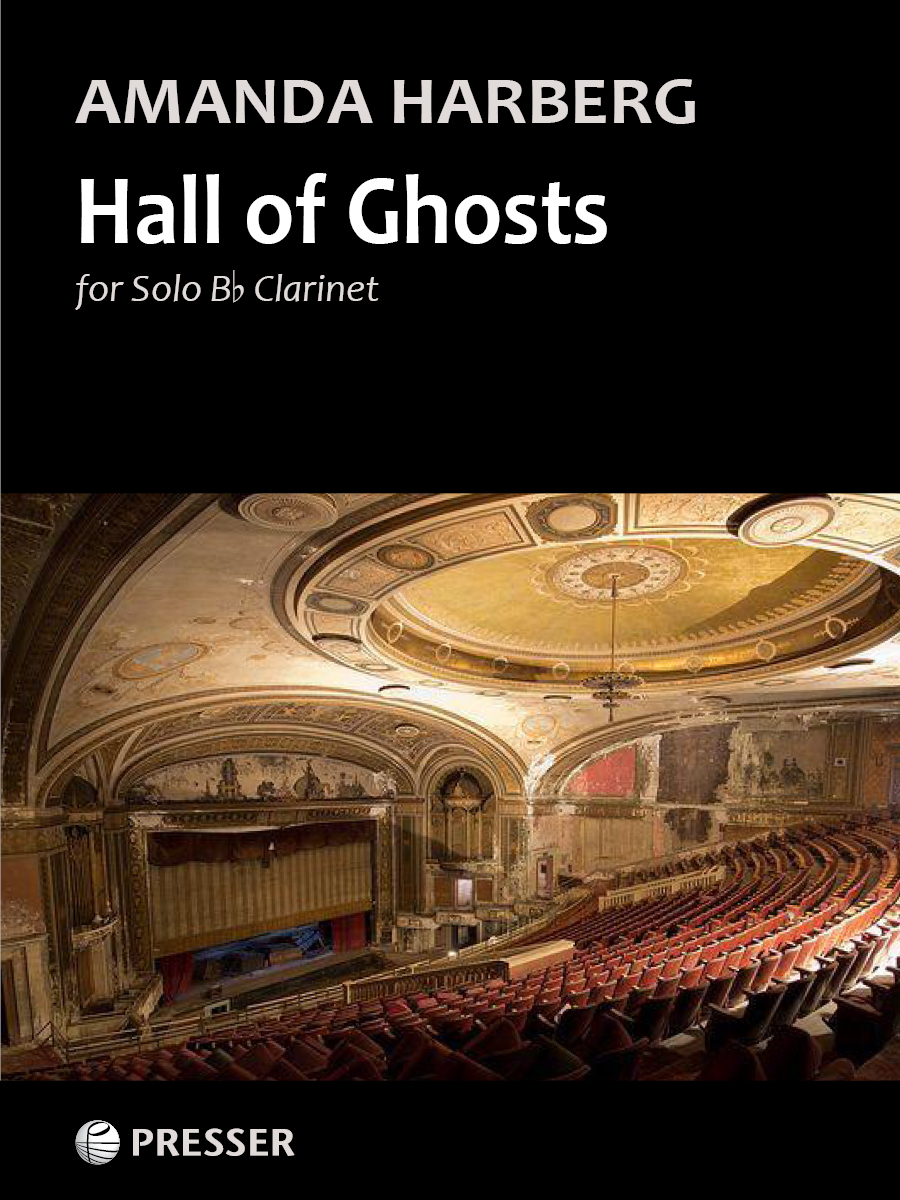
HALL OF GHOSTS was composed in 2020 during the Covid
lockdown period. Evocative of imagined spirits in an empty concert hall, the music pits dramatic silences, amid
searching and plaintive phrases of the clarinet, against a lively middle section — a dialogue between the
ticking of time and an instrument striving to make itself heard. The work was inspired by piccoloist Gudrun
Hinze’s video for Harberg’s Prayer Project, filmed in the hauntingly empty Gewandhaus Chamber Music Hall. A
recording of HALL OF GHOSTS can be heard at https://vimeo.com/589821160 .
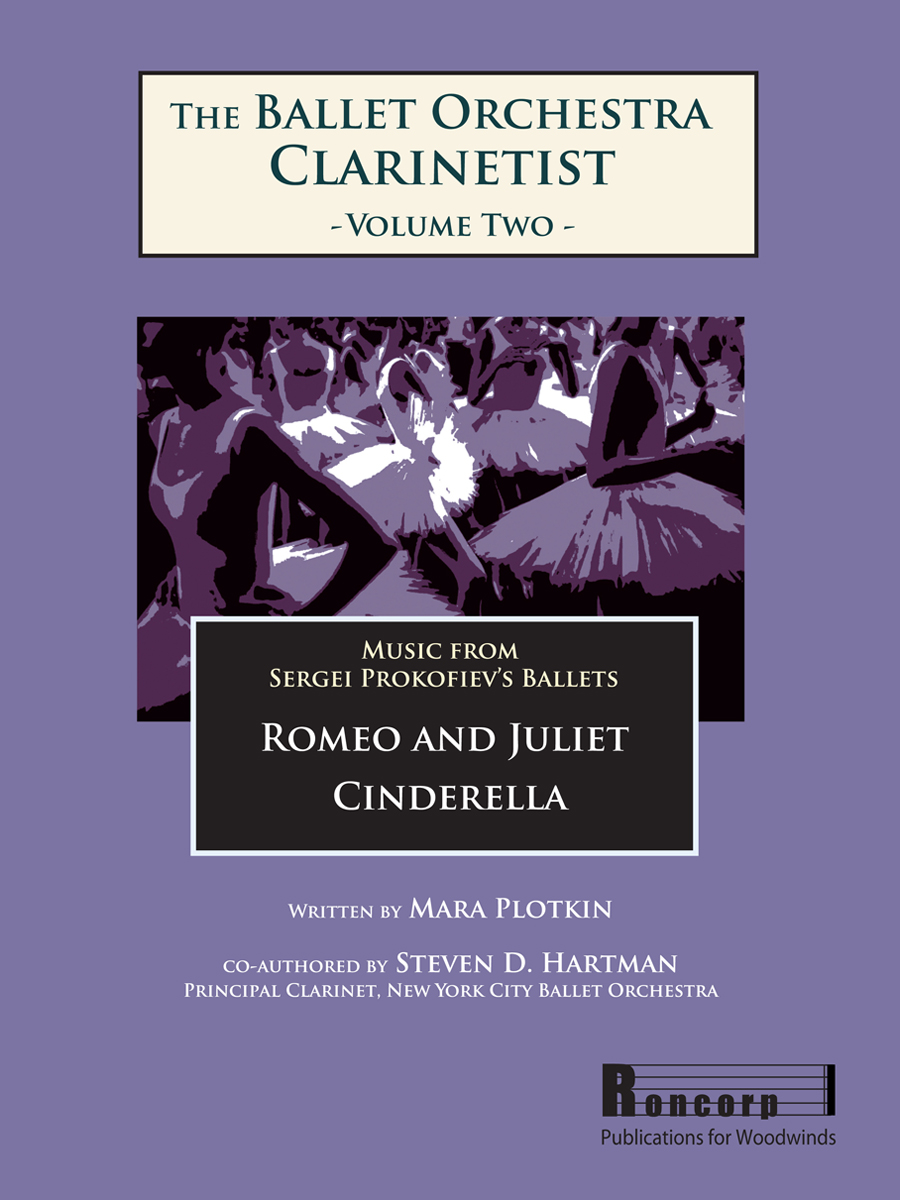
The first of its kind, The Ballet Orchestra Clarinetist Vol. 2 takes the reader and
clarinetist on an exploration of the clarinet excerpts from Sergei Prokofiev’s Romeo & Juliet and Cinderella.
The detailed annotated excerpts aid in not only just learning the notes of these two enchanting ballets but also
provides insight for any clarinetist looking to perform this repertoire at the highest level possible. Based on
their years of experience and tremendous expertise performing this repertoire, the authors offer useful
practical tips that are vital for excelling in a “real life” setting in a ballet orchestra. Each excerpt is
explained in a deep and detailed way to prepare for a first rehearsal or an audition.
Don’t miss out on The Ballet Orchestra Clarinetist Vol. 1 which contains detailed annotated clarinet excerpts
from Tchaikovsky’s Swan Lake, The Sleeping Beauty, and The Nutcracker.
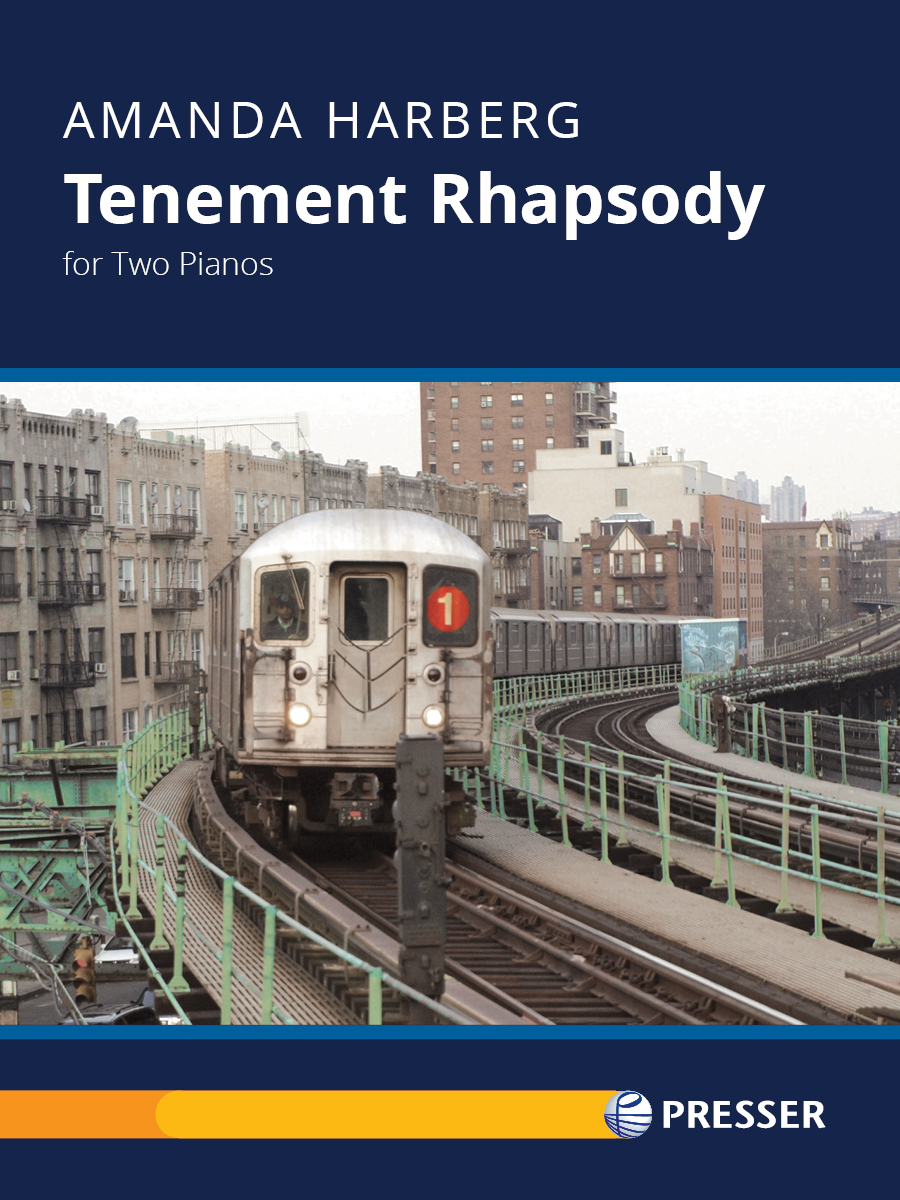
Harberg’s TENEMENT RHAPSODY brings both the percussive and the expressive potential of two
pianos to life in a work depicting her experience living in New York City. Subway is a jagged, jazzy dance full
of virtuosic and contrapuntal interplay. At Home offers the emotional center with melodic and lush materials. At
Play features a humorous energy inspired by life behind the composer’s apartment door as her 14-month-old
explored his universe with eager eyes and the swagger of a drunken sailor. A recording of TENEMENT RHAPSODY can
be found at https://youtu.be/EOTlYTKeZi8 .
"It's a perfect example of a voice that marries a lifetime of inhaling the world's piano literature, with jazz
idioms and propulsive rhythm. Like the first movement, a whirlwind of Prokofieff-spiked colors peppered with
chunky blue notes ... or the lyrical second movement, soaked in open mid-century American-harmonies-almost like
a rippling reflection of Barber's Nocturne... or the energetic closing movement's homage to Mr. Gershwin."
(Jonathan Newman)
Music for the Young
(and the Young at Heart)
Samuel Adler
Theodore Presser Company
Piano
110-41840 - $23.99
Accessible to adventurous intermediate players and yet
rewarding for advanced pianists too, Samuel Adler’s Music for the
Young (and the Young at Heart) breathes new life into the
familiar, welcoming world of the 19th-century character piece. The ten short pieces are characterized by
lightness of touch and texture, while having great diversity of mood between them. Some are lyrical and
effervescent, while others are rhythmic and dancing, including three small toccatas, a waltz, and a
culminating, brilliant tango.
“Powerful” would be an understatement in describing both Frederick Douglass’s words and
Adolphus Hailstork’s setting for Baritone with Piano accompaniment, also available for Cello ensemble with
Timpani. Hailstork has created an 8-minute monodrama from a passage in Douglass’s landmark autobiography, where
the great orator asks why boats can roam the sea while he must remain in chains.
With renewed interest in the music of Poldowski in recent years, this new critical edition
is a welcome addition to the vocal repertoire. The edition, in two volumes, present all 36 of Poldowski's extant
works for voice and piano. Volume 2 contains settings of French poets as well as English texts. This collection
of includes "Soir ," "La passante" and "Down by the Salley Gardens." The editors of this new edition have
provided a treasure trove of resource material relating to the songs and the composer.
This edition of Viardot-Garcia's vocal works in Spanish for voice and piano sheds light,
not only on this intellectual diva, singing professional and composer; but also on Pauline García, the
Spaniard who never forgot her roots. García added these roots - cultivated, idealized and used as an added value
to her vocal compositions - to the compositional contributions of her father
Manuel García, and her sister, María Malibran.
Chen Yi describes the cheery interplay of HAPPY TUNE as one instrument playing a lively
melody, while the other plays a vivid rhythmic pattern as accompaniment. The pair of instruments imitates
primitive Chinese folk song singing, as well as the traditional wind instrument sheng, a mouth pipe organ. One
of the composer’s favorite themes to develop for different textures, HAPPY TUNE is a variant from Chen Yi’s
Three Bagatelles from China West, both versions appearing in several scorings.
In a musical style strongly influenced by (and occasionally parodying) American popular
music, the subtitle “Baroque” may seem a puzzle at first. It is also the key to Pann’s approach in composing for
multiple wind soloists and ensemble. With Bach’s Brandenburgs in the rear-view mirror, Pann has created a
glorious hybrid of inspirations with intricate counterpoint, cadenzas, beautiful slow textures, and wild rides,
creating a 16-minute, fast-slow-fast concerto grosso. The published piano reduction is fully practical for live
performance.
Although the roots of this British folksong date back to the 18th century, the first
publication of the melody was in the late 1850's in the collection "National English Airs". Early One Morning is
the story of a young woman misused by her lover, as overheard by the singer. In the mid-1930's the tune was
adapted as a military slow march called "The Globe and Laurel" for the Royal Marines band. This arrangement
focuses on the lyricism of the original with just a hint of its later military associations. Only the 1st
clarinets cross the break. 1st trumpet's highest note is F.
A high school march from the turn of the 20th century. A great tool for teaching your
students how to play in cut-time. It is a typical style march with a trio in the middle.
Only the first clarinets cross the break. 1st trumpet's highest note is E.